


Sedona Vortex Sites: Where to Go and What to Expect

By: Adam Jerold Cansino | October 15, 2026
Sedona, Arizona, is famous for its dramatic sandstone formations, sweeping desert landscapes, and reputation as a destination for spiritual reflection. Beyond the scenic overlooks and hiking paths, visitors come to discover places believed to hold special natural energy.
Whether you are interested in meditation, photography, outdoor adventure, or simply enjoying the landscape, understanding these destinations will help you choose the right experience.
Sedona has four widely recognized vortex locations, each associated with different spiritual beliefs. Airport Mesa offers panoramic views, Bell Rock provides accessible hiking, Cathedral Rock offers a challenging climb, and Boynton Canyon combines striking scenery with quieter spots for reflection. Vortex energy is a spiritual belief, not a scientifically established phenomenon.
What Is a Sedona Vortex?
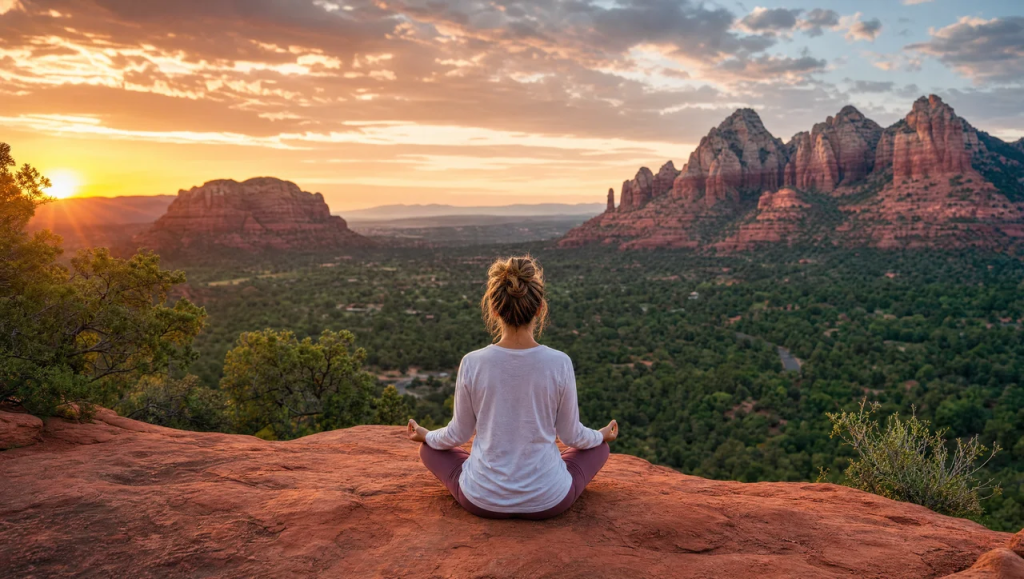
Some spiritual practitioners believe a Sedona vortex concentrates earth energy. Supporters describe these areas as places where meditation, mindfulness, emotional reflection, and personal intentions may feel especially meaningful.
The modern vortex tradition developed through New Age spirituality and gained popularity in the 1970s and 1980s.
Although Sedona has long been associated with spiritual tourism, the contemporary vortex concept is not a scientifically verified property of the landscape and should not be automatically attributed to Indigenous traditions.
In spiritual interpretations, the landscape’s energy centers are sometimes classified into three categories:
- Upflow energy: Believed to encourage inspiration, confidence, and personal growth.
- Inflow energy: Associated with reflection, emotional awareness, and inner calm.
- Balanced energy: Thought to combine outward motivation with inward contemplation.
These descriptions represent spiritual beliefs, not measurable physical forces. No established scientific evidence shows that the formations produce special energy fields capable of healing physical or emotional conditions.
However, the peaceful surroundings, fresh air, and opportunities for mindful recreation can make a visit personally meaningful, even for travelers who do not share these beliefs.
The Four Main Vortex Locations at a Glance
Choosing among the main vortexes depends on how much time you have, your hiking abilities, and the scenery you want to experience.
| Location | Best For | Access & Difficulty | What to Expect |
| Airport Mesa | Sunset views and short visits | Short, moderately rocky climb to the saddle viewpoint | Panoramic sandstone scenery and a popular meditation spot |
| Bell Rock | Beginners and flexible hiking | Easy-to-moderate lower pathways; steeper rock climbing optional | Open desert landscapes and striking formations |
| Cathedral Rock | Adventure and dramatic photography | Short but strenuous climb with steep sandstone scrambling | Spectacular rock spires and elevated views |
| Boynton Canyon | Reflection and canyon scenery | Short moderate side trail to Boynton Vista; longer canyon hike optional | Towering cliffs, desert vegetation, and quieter surroundings |
You can enjoy all four destinations without practicing any spiritual activity. Their appeal comes from both the surrounding natural beauty and the traditions associated with them.
Airport Mesa: Panoramic Views and Sunset Reflection
Airport Mesa is one of the most convenient places for visitors who want impressive scenery without a long hike.
Located along Airport Road, a short drive from central Sedona, this elevated sandstone area provides expansive views of the surrounding mountains and rock formations.
In modern spiritual interpretations, the Airport Mesa vortex is commonly associated with balanced energy. Some visitors use the location for meditation, personal reflection, or quiet moments overlooking the landscape.
The scenery alone makes the trip worthwhile.
Getting There, Parking, and Hiking Conditions
There are three main ways to enjoy this area:
- Airport Saddle viewpoint: A short, rocky climb from a small roadside parking area on Airport Road.
- Airport Vista overlook: A more developed viewpoint farther uphill, with a separate parking area and broad landscape views.
- Airport Loop Trail: An approximately 3.3-mile circuit from the Airport Road saddle area for travelers seeking a longer hike.
The roadside parking area is small and can fill quickly, especially around sunset. The upper overlook offers an alternative for enjoying the scenery but isn’t the same location as the vortex viewpoint.
Visitors should expect uneven sandstone, exposed sections, and very little shade.
Early mornings are often quieter, while late afternoons provide dramatic lighting. Sunset is especially popular, so plan extra time for traffic and finding a permitted parking space.
What Visitors Can Expect
From the elevated viewpoint, travelers can admire Coffee Pot Rock, Thunder Mountain, and several surrounding sandstone formations.
You might see people sitting quietly, meditating, photographing the landscape, or watching the desert’s colors change.
No official ritual is required to visit.
Spend a few minutes enjoying the scenery, find a comfortable spot off the main walking route, and avoid disturbing other visitors.
Best choice for: First-time travelers, sunset photography, and anyone seeking a memorable viewpoint with a relatively short walk.
Bell Rock: An Iconic Landmark for Mindful Hiking
Just east of the Village of Oak Creek, Bell Rock rises above the desert with its unmistakable bell-shaped profile.
Its broad sandstone slopes, open surroundings, and interconnected pathways make it one of the region’s most recognizable landmarks.
Within the local vortex tradition, the Bell Rock vortex is often described as having energizing or upflow qualities, which some practitioners associate with clarity, motivation, and personal intention.
For travelers who prefer outdoor recreation over spiritual activities, the location offers excellent hiking and photography opportunities.
Trail Access and Scenery
The main access points are along State Route 179, including Bell Rock Vista and Courthouse Vista.
From these areas, hikers can choose among several routes:
- Bell Rock Pathway: A relatively gentle route through open desert terrain, with the full mapped pathway extending approximately 3.7 miles one way.
- Bell Rock Loop: A short designated route that can be combined with nearby connecting paths.
- Courthouse Butte Loop: A longer scenic circuit of approximately 4.3 miles.
- Sandstone slopes: Optional climbing sections that become increasingly steep and require careful route judgment.
The lower pathways provide excellent scenery without requiring visitors to scramble up the formation.
Views include nearby Courthouse Butte, layered sandstone ridges, and the wide desert valley.
What to Know Before Visiting
The open terrain offers little shade, so early morning visits are especially appealing during warmer months.
Parking areas may require a Red Rock Pass or an accepted federal recreation pass. Check the posted requirements before beginning your hike.
Although lower paths suit many casual hikers, higher sandstone sections require balance, proper footwear, and a willingness to turn around if the route becomes uncomfortable.
The surrounding landscape provides plenty of opportunities for quiet reflection without climbing to an exposed ledge.
Best choice for: Beginner-friendly hiking, family outings, scenic walks, and travelers who want to combine a spiritual experience with an outdoor adventure.
Cathedral Rock: Dramatic Sandstone Spires and Spiritual Traditions
Cathedral Rock is one of Sedona’s most photographed formations, known for its towering sandstone columns and striking silhouette.
Its proximity to Oak Creek and the surrounding valley creates dramatic compositions, particularly in the warm light of sunrise and sunset.
In contemporary spiritual beliefs, the Cathedral Rock vortex is often associated with inward reflection, emotional balance, and nurturing energy.
Some practitioners describe the area as supportive of contemplation or personal healing. These associations are subjective spiritual interpretations, not medically established effects.
Trail Difficulty, Shuttle Access, and Views
The standard Cathedral Rock Trail is approximately 1.2 miles round trip, but the short distance can be misleading.
The route includes steep sandstone sections requiring hands-and-feet scrambling. It is generally considered strenuous and may be unsuitable for travelers uncomfortable with heights or exposed rock.
Important planning details include:
- Access: The primary trailhead is on Back O’ Beyond Road.
- Transportation: The Sedona Shuttle serves the trailhead from the North SR 179 Park & Ride when the trailhead route operates.
- Parking: Private vehicles cannot use the trailhead parking lot during shuttle operating periods.
- Trail conditions: Expect steep rock surfaces, route markers, and limited shade.
- Weather: Avoid exposed scrambling during rain, lightning, extreme heat, or icy conditions.
Check the official Sedona Shuttle schedules before traveling because operating days and special service periods can change.
A Rewarding Visit Without the Full Climb
You don’t need to reach the upper saddle to appreciate the formation.
Travelers seeking a less strenuous outing can enjoy the surrounding lower trails or admire the rock from designated viewpoints.
The wider area offers attractive views of sandstone towers, desert vegetation, and sections of Oak Creek.
For photography, you can admire the famous rock formation from multiple perspectives without tackling the steepest sections.
Best choice for: Experienced hikers, dramatic landscape photography, and travelers comfortable with a physically demanding outing.
Boynton Canyon: Quiet Reflection Among Towering Cliffs
Boynton Canyon offers a different atmosphere from the open, elevated sandstone landscapes elsewhere in the region.
Located northwest of central Sedona, the canyon features dramatic cliffs, desert vegetation, and changing rock formations.
Modern spiritual interpretations commonly associate the Boynton Canyon vortex with a balance of different energy qualities.
Some people visit to meditate and reflect, while others come for the canyon’s impressive scenery and hiking.
The Boynton Vista Route and Canyon Access
Visitors typically start at the Boynton Canyon Trailhead, accessed via Dry Creek Road and Boynton Pass Road.
Two hiking options are especially relevant:
- Boynton Vista side trail: A short, moderately rocky route leading toward the overlook near the distinctive rock formation known as Kachina Woman.
- Boynton Canyon Trail: A longer route that extends about 2.5 miles one way into the canyon, for a roughly 5-mile round trip.
The shorter viewpoint route is generally more practical for visitors primarily interested in the vortex tradition.
The full canyon route suits travelers who want a longer hike with vegetation, sandstone walls, and changing scenery.
Trailhead parking is limited, and you may need a valid recreation pass.
What Makes This Canyon Different?
Unlike an exposed mesa, the canyon offers a mix of open desert terrain and more sheltered sections.
Its cliff walls, shifting light, and natural acoustics can create a tranquil atmosphere, though popular areas may still get crowded.
Some visitors see nearby rock formations as spiritually symbolic, while others appreciate the canyon’s geological character.
Stay on designated public routes and respect boundaries near neighboring resort property and protected areas.
Best choice for: Nature lovers, reflective walks, scenic canyon hiking, and travelers who prefer a less summit-focused experience.
How to Choose the Right Location for Your Visit
Each location offers something different, so the best choice depends on your preferred pace.
For a short first visit, Airport Mesa combines impressive views with relatively easy access.
For a relaxed outdoor adventure, the lower trails around Bell Rock offer flexible distances and wide-open scenery.
Travelers wanting a physical challenge may prefer Cathedral Rock, provided they have the appropriate footwear and hiking ability.
Those interested in quieter canyon scenery may find Boynton Canyon especially rewarding.
You can also plan around different interests:
- Best for sunrise: The less crowded morning trails around Bell Rock.
- Best for sunset: The panoramic overlooks around Airport Mesa.
- Best for challenging hiking: The steep Cathedral Rock route.
- Best for a reflective nature walk: Boynton Vista and nearby canyon paths.
- Best for casual photography: Lower-elevation viewpoints surrounding the major formations.
You can visit all four locations over a leisurely one- or two-day stay without rushing between them.
Explore Guided Vortex Tours vs. Independent Visits
A guided vortex tour can provide useful context for visitors interested in the area’s spiritual tourism traditions.
Local guides may explain how modern practitioners interpret the landscape, introduce meditation practices, or help travelers navigate scenic viewpoints.
Tours vary considerably.
Some emphasize wellness and mindfulness, while others combine transportation, sightseeing, geology, and cultural interpretation.
Before booking, consider:
- Whether the itinerary includes actual hiking or primarily scenic stops.
- The guide’s approach to spiritual beliefs and historical interpretation.
- Physical requirements and accessible transportation options.
- Whether visits take place on public land or at private retreat venues.
- Group size, duration, and opportunities for quiet reflection.
Travelers who prefer independence can visit the public locations without purchasing a tour.
The key difference is interpretation, not access to any scientifically proven energy phenomenon.
Practical Tips for a Respectful Visit
Preparation makes a significant difference when visiting Arizona’s desert landscapes.
Parking, Weather, and Trail Safety
The region’s popular trailheads can get busy, especially on weekends, holidays, and during spring and fall travel seasons.
A little advance planning helps avoid unnecessary stress.
- Arrive early: Cooler temperatures and lighter crowds often make morning visits more comfortable.
- Carry water: Bring more than you think you’ll need, especially in warmer weather.
- Wear proper footwear: Sandstone, gravel, and uneven rock can make footing slippery or unstable.
- Check access restrictions: Shuttle services, parking rules, temporary closures, and pass requirements vary by destination.
- Respect the weather: Avoid exposed routes during thunderstorms or extreme heat.
- Stay on designated paths: Protect fragile desert vegetation and avoid creating unofficial shortcuts.
Official trail information is available through the Coconino National Forest.
Meditation, Photography, and Cultural Respect
Many visitors arrive with different beliefs, expectations, and intentions.
Some practice meditation or yoga, while others simply sit quietly and enjoy the landscape.
Give people space, keep noise levels reasonable, and avoid interrupting anyone engaged in personal reflection.
Do not construct rock cairns, leave crystals or offerings, carve into sandstone, or remove natural objects.
It is also important to distinguish contemporary vortex tourism from the histories and living traditions of Indigenous peoples connected to the region.
The area’s cultural significance extends beyond modern spiritual tourism, and visitors should treat archaeological features, cultural sites, and the wider landscape with care.
Planning a Relaxed Sedona Getaway Around the Vortex Sites
A trip focused on natural scenery and personal reflection works best with a flexible schedule.
Instead of trying to see every landmark in a single afternoon, consider organizing your visit by location and physical intensity.
Day One: Scenic viewpoints and gentle hiking
Begin with an early morning walk near Bell Rock. Take time to enjoy the surrounding formations, then return to town for breakfast or a relaxed afternoon.
Later, visit Airport Mesa for panoramic scenery as the desert colors deepen toward sunset.
Day Two: Canyon landscapes and a memorable overlook
Start with the short Boynton Vista route or choose the longer canyon hike if you have sufficient time and energy.
Reserve the afternoon for rest, photography, or wellness activities. Experienced visitors can hike Cathedral Rock separately, preferably during cooler hours and with shuttle arrangements confirmed in advance.
For travelers planning a broader vacation, the parent guide to Things to Do in Sedona, AZ: 25 Red Rock Adventures and Experiences covers additional outdoor activities, sightseeing opportunities, and local experiences.
A comfortable home base can make multi-day exploration more relaxing. Paradiso’s luxury vacation rentals in Sedona offer accommodation options for travelers planning longer visits, group trips, or slower-paced desert getaways.
Final Thoughts
Sedona’s remarkable landscape has inspired travelers, artists, hikers, and spiritual seekers for decades. Its four best-known vortex locations provide different ways to appreciate the sandstone formations, from panoramic overlooks and gentle desert pathways to strenuous climbs and peaceful canyon settings.
Whether you approach the traditions with spiritual interest, personal curiosity, or a love of the outdoors, the most rewarding experience comes from choosing locations that match your comfort level, respecting the natural environment, and allowing time to enjoy the scenery.
With thoughtful planning, a visit can become a memorable part of a larger Arizona getaway.
Frequently Asked Questions
Are Sedona’s vortexes real?
The rock formations and geographical locations are real, but claims that they contain concentrated spiritual energy are matters of personal belief. Scientific research has not established the existence of special vortex energy fields or demonstrated related healing effects.
Which vortex is easiest to visit?
Airport Mesa is a convenient option for a short visit, although reaching the saddle viewpoint involves a rocky climb. The lower pathways around Bell Rock are also popular with casual hikers and offer flexible walking distances.
Do you have to hike to experience a vortex?
No. Some associated viewpoints are a short walk away, while others require more demanding hikes. Travelers don’t need to reach a summit or take part in a spiritual practice to appreciate the landscape.
What is the best time of year to visit?
Spring and fall generally offer comfortable hiking conditions. Winter can be pleasant but may bring cold weather, snow, or icy sandstone. Summer visitors should prioritize early mornings because exposed rock and limited shade increase heat risks.
Can you visit all four vortex locations in one day?
Yes, you can see portions of all four areas in one long day, especially if you focus on short viewpoints rather than full hikes. However, spreading visits across two days gives you more time to sightsee, rest, and reflect.