


Visiting the North Carolina Arboretum: Complete Visitor Guide

By: Adam Jerold Cansino | November 12, 2026
This 434-acre botanical destination near the Blue Ridge Parkway combines cultivated landscapes, woodland trails, seasonal plant collections, and educational experiences in the Southern Appalachians.
Visitors can explore 65 acres of maintained landscapes, discover an impressive bonsai collection, enjoy outdoor art displays, and experience more than 10 miles of recreational trails.
The property offers opportunities for hiking, biking, botanical photography, and family-friendly exploration. It also features changing exhibits, educational programs, guided walks, and seasonal events that introduce guests to regional plants and natural history.
Whether you’re planning a short morning outing or a longer outdoor adventure, this guide explains what to see, where to walk, how parking works, and how to make the most of your time.
For additional itinerary ideas, explore our guide to the 15 best things to do in Asheville, NC.
What Makes This Botanical Destination Special?
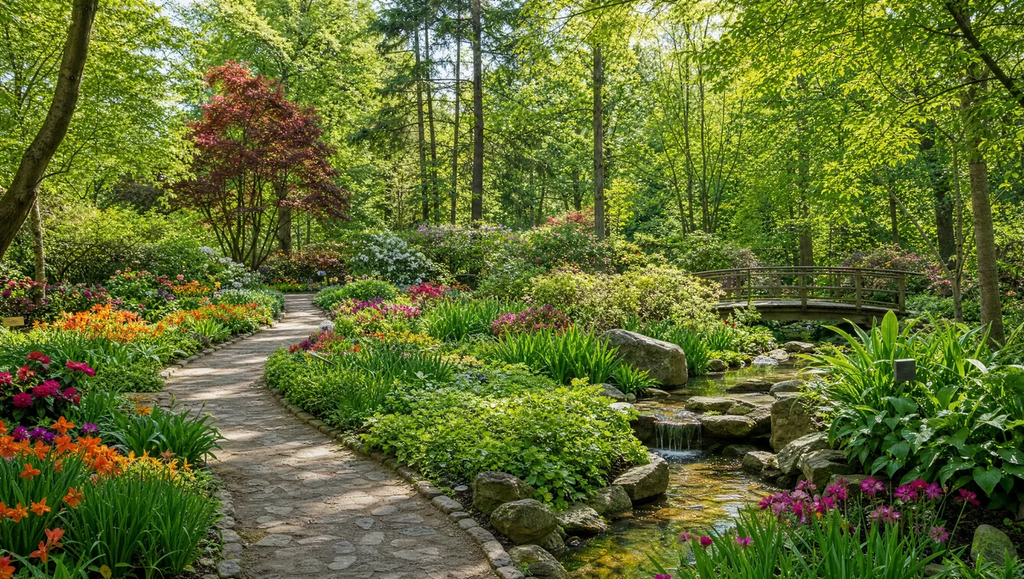
This public horticultural attraction combines plant conservation, landscape design, environmental education, and outdoor recreation within an extensive forest setting.
Unlike a traditional botanical garden focused exclusively on cultivated plants, the property connects ornamental displays with surrounding woodland ecosystems.
This unique combination of outdoor spaces creates an ideal setting for travelers interested in nature, photography, science, and relaxation.
The grounds appeal to several types of visitors:
- Families: Interactive activities, manageable walking routes, and educational exhibits.
- Couples: Peaceful pathways, colorful flowers, and quiet places to enjoy the scenery.
- Nature enthusiasts: Native plant collections, woodland habitats, and interpretive displays.
- Outdoor adventurers: Scenic hiking opportunities and designated recreational routes.
- Photography enthusiasts: Seasonal flowers, landscape architecture, and botanical details.
The property also supports environmental research, community education, volunteer opportunities, and conservation initiatives.
Visitors can explore independently or participate in organized programs that explain the region’s natural history.
Educational displays throughout the grounds encourage guests to understand how plants grow, how ecosystems function, and why environmental preservation matters.
Explore the Bonsai Collection and Garden Exhibits
The cultivated garden areas are among the property’s most recognizable attractions.
These carefully maintained spaces combine ornamental landscaping, plant collections, seasonal flowers, and creative design.
Bonsai Exhibition Garden
The Bonsai Exhibition Garden showcases miniature trees developed through specialized horticultural techniques.
Established in 2005, the outdoor display can feature up to 50 bonsai specimens at a time.
The larger collection includes more than 100 trees representing traditional Asian species alongside plants associated with American landscapes.
Visitors may encounter Japanese maples, pines, bald cypress, and other carefully maintained specimens.
Each tree demonstrates how pruning, wiring, root management, and long-term cultivation can recreate the appearance of a mature tree in miniature form.
Interpretive displays provide information about bonsai traditions and explain how artists shape living plants over time.
The collection changes seasonally, so returning guests may see different trees on future visits.
National Native Azalea Collection
The National Native Azalea Collection highlights flowering shrubs indigenous to the United States.
The collection includes representatives of nearly every azalea species found naturally across the country, alongside selected hybrids and cultivars.
Plants are arranged in a woodland setting that complements their natural growing conditions.
During spring, colorful blossoms create attractive opportunities for photography and quiet nature observation.
Flowering periods depend on temperature, rainfall, and seasonal weather patterns.
The collection demonstrates how native plants contribute to biodiversity while providing visual interest throughout the landscape.
Quilt Garden and Seasonal Garden Exhibits
The Quilt Garden combines ornamental planting with Appalachian cultural traditions.
Its geometric flower beds draw on traditional quilt patterns, connecting horticulture with textile design.
Seasonal planting combinations shape the display’s appearance, creating different colors and patterns throughout the growing season.
Other garden exhibits introduce pollinator-friendly plants, ornamental shrubs, and ecological landscaping techniques.
These displays demonstrate how creative planting arrangements can support wildlife while producing attractive outdoor spaces.
Visitors interested in landscape design may find inspiration in the garden’s planting combinations, structural features, and seasonal arrangements.
Discover Hiking, Biking, and Woodland Trails
Beyond the formal landscapes, more than 10 miles of recreational routes extend through the surrounding forest.
The trail system offers options for casual walkers, families, photographers, and experienced outdoor enthusiasts.
Many paths pass through hardwood forests, alongside streams, and through habitats supporting local wildlife.
Some routes are designated for pedestrian use, while others accommodate cycling and shared recreational activities.
| Trail | Approximate distance | Difficulty | Best for |
| Azalea Collection Trail | 0.5 mile | Easy | Short nature walks |
| Bent Creek Trail | 1.3 miles | Easy | Streamside scenery |
| Bent Creek Road | 1.3 miles | Easy | Walking and beginner cycling |
| Carolina Mountain Trail | 1.2 miles | Moderate | Forest interpretation |
| Natural Garden Trail | 0.75 mile | Moderate | Woodland exploration |
| Owl Ridge Trail | 0.94 mile | Difficult | Challenging terrain |
Published distances describe individual routes rather than guaranteed round-trip measurements.
Choosing the Right Trail
The Azalea Collection Trail provides a manageable option for travelers who prefer a shorter walk.
Bent Creek Road follows a relatively gentle gravel corridor suitable for recreational walking and appropriate cycling activities.
The Natural Garden Trail offers a quieter woodland experience, while Owl Ridge Trail includes more demanding terrain.
For visitors interested in biking, check trail designations before departure because not every path permits bicycles.
The official trail maps identify recreational connections, route lengths, and activity restrictions.
Download the maps before beginning a longer outing, particularly if you plan to explore several connected routes.
Storm damage, resurfacing projects, and maintenance may affect access to individual trails.
Travelers should review current notices and posted signs rather than assume every published route remains open.
Explore Art Exhibits and the Visitor Center
Indoor facilities provide additional opportunities to learn about regional ecology, horticulture, and artistic traditions.
The visitor center serves as an important orientation point, helping guests identify exhibitions, activity locations, and available services.
Rotating exhibits may feature botanical illustrations, environmental photography, interactive science installations, or regional cultural displays.
These exhibits complement outdoor exploration by explaining the relationships between plants, wildlife, and human communities.
The property also supports educational programs that introduce participants to plant identification, gardening techniques, and environmental stewardship.
Some programs are designed for families, while others focus on specialized topics for adults and experienced horticulture enthusiasts.
Guided walks may provide opportunities to explore selected areas with knowledgeable instructors.
Workshops and educational programs may require registration, so check the activity calendar before arrival.
Learning Opportunities and Educational Programs
Environmental education is an important part of the property’s mission.
Organized programs may cover topics such as:
- Plant conservation and biodiversity
- Botanical illustration and nature photography
- Horticultural techniques and sustainable landscaping
- Wildlife habitats and ecological relationships
- Seasonal plant identification
- Regional history and environmental stewardship
Educational programs vary throughout the year, and some involve additional participation fees.
Guests interested in specific learning experiences should review the official schedule before planning their itinerary.
The gift shop also provides books, educational materials, nature-related merchandise, and locally inspired gifts.
A gift from the shop can serve as a reminder of the experience while supporting the organization’s activities.
Best Time to Enjoy Seasonal Flowers and Landscapes
The changing seasons create different experiences across the cultivated grounds and surrounding forest.
Early-year blooms
Flowering shrubs, new foliage, and woodland wildflowers introduce color as temperatures become warmer.
Botanical displays gradually change as different species begin flowering.
Summer greenery
Mature foliage creates lush scenery, while shaded walking routes offer opportunities for outdoor activities.
The cultivated gardens feature seasonal plant arrangements that change throughout the year.
Autumn colors
Changing leaves create a colorful backdrop for walking, photography, and outdoor exploration.
Cooler weather may also make longer recreational outings more comfortable.
Winter landscapes
Evergreen plants, bare branches, and landscape architecture provide different visual perspectives.
Seasonal events may introduce illuminated displays and special programming.
For photography, mornings often provide softer natural light and comfortable walking conditions.
An afternoon outing can also be rewarding, particularly when temperatures are mild.
Specific flowering dates cannot be guaranteed because growing conditions change from year to year.
Guests interested in particular plant collections should review seasonal updates before traveling.
Parking Fees, Opening Hours, and Directions
Planning ahead helps visitors understand entrance procedures, parking arrangements, and facility schedules.
The grounds follow seasonal operating schedules, while indoor exhibitions and certain specialized displays have shorter daily opening periods.
| Visitor information | Published details |
| Location | Frederick Law Olmsted Way |
| April–October | 8:00 AM–9:00 PM |
| November–March | 8:00 AM–7:00 PM |
| Incoming gate | Closes one hour before property closing |
| Indoor exhibits | Typically 9:00 AM–5:00 PM |
| Bonsai display | Typically 9:00 AM–5:00 PM |
| Standard vehicle parking | $25 |
| Regular daytime admission | No separate admission charge |
| Christmas Day | Closed |
These details reflect the official visitor information checked on November 12, 2026. Special events may follow different schedules.
Getting There and Finding Parking
The property is located near Bent Creek Experimental Forest and the Blue Ridge Parkway.
Drivers approaching from Interstate 26 can use Exit 33 and follow NC Highway 191 toward the entrance.
Some navigation systems may direct travelers to service roads rather than the visitor entrance, so official signage is important.
The Arboretum’s main parking areas provide access to landscaped attractions and recreational routes.
Vehicle parking costs $25 under the standard fee structure.
Membership benefits and designated discount days may reduce parking costs for eligible guests.
Parking demand can increase during weekends, holidays, and special events.
Before traveling, consult the official hours, directions, and pricing information for updated entrance procedures and visitor policies.
Family Activities, Afternoon Garden Hours, Educational Programs, and Seasonal Events
Families can combine outdoor exploration with educational experiences designed to encourage curiosity about plants and wildlife.
Children may observe unusual plant shapes, identify different tree species, and discover how cultivated landscapes differ from natural forests.
Shorter walking routes let families adjust the experience to children’s ages and energy levels.
Educational programs introduce topics such as biodiversity, conservation, and ecological relationships.
Depending on the schedule, family-oriented events may include interactive activities, nature exploration, workshops, and special exhibitions.
The annual Winter Lights celebration is a popular seasonal attraction featuring illuminated displays.
This separately ticketed experience takes place during the holiday season, with dates and policies announced through the official events calendar.
Special events can have additional parking rules, pet restrictions, or reservation requirements.
Families interested in organized activities should confirm availability before arrival.
The property also supports school programs, volunteer participation, and community learning initiatives.
These activities help connect visitors with environmental education while supporting long-term conservation goals.
Practical Tips for a Comfortable Outdoor Experience
A little preparation can improve the experience, especially when combining cultivated displays with longer woodland routes.
- Wear comfortable shoes. Some trails include gravel, exposed roots, slopes, and uneven surfaces.
- Bring drinking water. Longer recreational outings require additional preparation during warm weather.
- Check weather forecasts. Rain, thunderstorms, and changing temperatures can affect outdoor activities.
- Review maps beforehand. Identify suitable routes, parking areas, and visitor facilities.
- Choose activities carefully. Families with young children may prefer shorter walks and interactive displays.
- Understand pet restrictions. Leashed dogs are generally welcome outdoors, but buildings and selected exhibition spaces restrict animal access.
- Consider accessibility needs. Maintained pathways are generally easier to navigate than natural woodland routes.
- Check the activity calendar. Workshops, seasonal events, and organized programs may require registration.
Wheelchairs may be available to borrow, subject to availability.
Guests with specific mobility requirements should review the official accessibility information before arrival.
Photography enthusiasts may prefer quieter periods when fewer people are around prominent displays.
Travelers planning extended outdoor activities should also check current trail restrictions.
Nearby Attractions To Visit and Vacation Accommodations
The surrounding region offers opportunities to combine botanical exploration with outdoor recreation, dining, and cultural sightseeing.
Nearby attractions include Bent Creek recreational areas, scenic overlooks, forest trails, and additional destinations throughout western North Carolina.
Visitors can combine a morning nature outing with restaurant stops, shopping, or cultural activities later in the day.
A carefully planned itinerary allows enough time to appreciate each destination without rushing between locations.
For overnight accommodations, Asheville vacation rentals provide an alternative to traditional hotels.
Depending on the property, travelers may find spacious living areas, private outdoor spaces, scenic surroundings, and amenities suited to extended stays.
Check individual rental listings for specific locations, property features, and travel distances.
Private accommodations can be especially convenient for families and groups who prefer shared gathering spaces and flexible meal arrangements.
Longer stays also let travelers explore additional outdoor attractions and cultural destinations at a comfortable pace.
Final Thoughts
This botanical attraction combines cultivated landscapes, woodland recreation, educational exhibits, and seasonal activities within a memorable natural setting.
Its bonsai collection, flowering shrubs, walking routes, and changing displays offer experiences for families, couples, photographers, and outdoor enthusiasts.
Visitors can explore ornamental landscapes, enjoy peaceful forest surroundings, or participate in organized educational activities.
For the best experience, review current access notices, choose routes that match your interests, and allow enough time to explore.
Whether you’re planning a short nature outing or a longer regional getaway, the property provides an opportunity to appreciate the biodiversity, horticultural traditions, and natural beauty of the Southern Appalachians.
Frequently Asked Questions
Is admission free?
Regular daytime admission does not require a separate entrance ticket.
However, standard personal vehicles are charged a $25 parking fee.
Certain exhibitions and ticketed events may involve additional costs, while eligible members may receive parking benefits.
How long should visitors spend exploring?
Most travelers should plan for about two to four hours to explore landscaped displays, the bonsai collection, and selected walking routes.
Those interested in extended recreation or organized programs may prefer half a day or longer.
Are dogs allowed?
Leashed dogs are generally welcome in designated outdoor areas and along permitted trails.
Only service animals are allowed inside buildings and the Bonsai Exhibition Garden.
Additional restrictions may apply during special events.
Is the property accessible after Hurricane Helene?
The attraction has resumed public operations and publishes regular visitor schedules.
However, storm-related repairs, resurfacing projects, and maintenance can affect individual trails.
Guests should review official notices before planning around a particular route.
Can visitors bring food?
Outside food is generally permitted for picnicking in designated or appropriate areas, provided guests follow property rules.
Visitors should dispose of waste responsibly and check current food-service arrangements before arrival.
Are accessible walking routes available?
The main landscaped areas and visitor facilities offer accessible options.
Natural woodland routes vary in gradient, surface conditions, and difficulty.
Guests with mobility requirements should consult official accessibility guidance before selecting an itinerary.