


Shopping and Exploring Grove Arcade in Asheville, NC, United States

By: Adam Jerold Cansino | November 17, 2026
Asheville is known for its mountain scenery, independent shops, creative communities, and memorable dining experiences. One of the best places to enjoy these attractions is the historic Grove Arcade, a beautifully restored commercial landmark filled with specialty boutiques, artisan goods, galleries, and inviting places to eat.
Located in the heart of the city, this architectural destination offers more than a typical shopping experience. Visitors can admire decorative stonework, browse handcrafted products, explore regional artwork, and enjoy a leisurely afternoon surrounded by nearly a century of history.
Whether you’re planning a weekend getaway, searching for unique souvenirs, or building a walking itinerary, the building is an accessible starting point for exploring Asheville’s independent retail scene.
This guide covers the property’s history, shopping highlights, dining options, architecture, visitor information, and nearby attractions. For more sightseeing inspiration, explore our 15 Best Things to Do in Asheville, NC: Attractions & Activities.
Why Visit the Historic Grove Arcade?
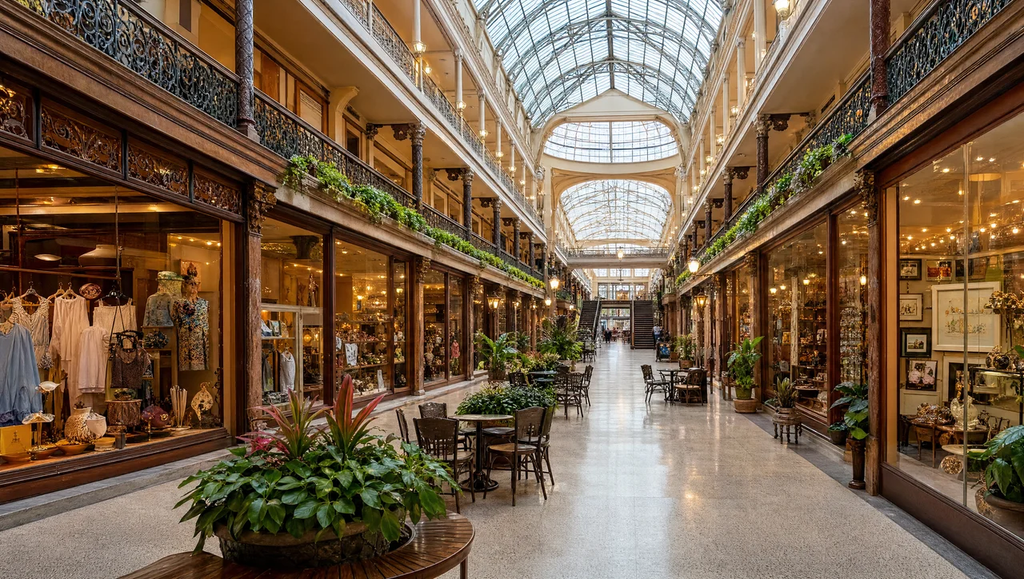
Few shopping destinations combine architecture, history, and independent retail quite like this landmark. The restored building contains a collection of boutiques, specialty merchants, craft displays, and dining establishments, providing visitors with several activities in one location.
Unlike conventional shopping malls dominated by national retailers, the property emphasizes regional craftsmanship and independently operated businesses. Visitors can discover handmade accessories, original artwork, specialty foods, distinctive gifts, and decorative items inspired by Western North Carolina.
The elegant interior also makes it appealing to travelers who enjoy historic places. Natural light filters through the overhead glass, illuminating polished floors, carved architectural details, and decorative railings.
One particularly enjoyable aspect is the relaxed pace. You can browse without a fixed itinerary, spend time photographing the interior, or settle into a nearby café before continuing your sightseeing.
Its central location also makes the attraction convenient for combining retail browsing with other activities around the city.
The History and Architecture of Asheville’s Landmark
The building’s origins date to the ambitious vision of Edwin Wiley Grove, a businessman and developer who helped shape Asheville’s early twentieth-century growth.
Grove Arcade stands as a reminder of an era when civic leaders envisioned impressive commercial buildings as gathering places for residents and visitors. The project was designed by architect Charles N. Parker and completed in 1929, two years after the developer’s death.
Originally conceived as a large mixed-use commercial complex, the property included retail establishments and office spaces. A much taller tower was planned but never constructed.
During World War II, the federal government took control of the property, ending its original commercial operations. Government offices occupied the building for decades before preservation efforts eventually returned it to public use.
Following extensive restoration, the historic commercial building reopened in 2002 with renewed retail and dining spaces. Its transformation helped preserve an important architectural landmark while supporting the surrounding business district.
Architectural Details Worth Noticing
Visitors should take time to appreciate the craftsmanship throughout the interior.
Look for the sweeping spiral staircases, decorative metalwork, sculpted ornamental figures, and distinctive arched entrances. The glass-covered central corridors allow daylight to illuminate the interior, creating an inviting environment for sightseeing and photos.
The architecture features Gothic and Tudor Revival influences, with intricate details that distinguish it from ordinary commercial developments.
Even visitors who aren’t planning to purchase anything can enjoy walking through the restored corridors and admiring the building’s distinctive design.
Discover Local Shops, Boutiques, and Artisan Goods
The retail collection offers diverse shopping experiences for travelers with different interests, from creative home accessories to handcrafted gifts.
Rather than following a predetermined route, begin by exploring the main corridor and visiting stores that catch your attention. The merchants offer a variety of merchandise, and their selections may change throughout the year.
Handmade Crafts and Regional Artwork
Asheville art and craftsmanship are closely connected to the traditions of the Southern Appalachian Mountains.
The Southern Highland Craft Guild maintains a retail location within the building, showcasing work by regional artisans. Visitors may find pottery, woodwork, fiber arts, glass pieces, jewelry, and other handcrafted items that reflect longstanding creative traditions.
This is an appealing stop for travelers seeking meaningful souvenirs instead of mass-produced merchandise.
The opportunity to examine the details of handmade objects also provides a deeper appreciation of the skills involved in their creation.
Jewelry, Clothing, and Specialty Gifts
Several merchants focus on fashion, jewelry, accessories, and distinctive personal items.
Shoppers interested in handcrafted jewelry can explore designs ranging from understated pieces to statement accessories. Other boutiques feature clothing, skincare, and lifestyle products that reflect the city’s independent retail character.
Stores such as Enter the Earth, Four Corners Home, and Spicewalla appear in the property’s current shopping directory, offering different categories of specialty merchandise.
If you’re decorating your home, look for original artwork, unusual furniture accents, textiles, and locally inspired decorative objects.
For travelers who prefer smaller purchases, specialty foods, accessories, and artisan gifts provide practical alternatives to larger souvenirs.
Check the official shopping directory before visiting, since individual tenants and opening hours can change.
Explore the Outdoor Makers Market
One highlight of a visit is the outdoor Makers Market, a dedicated space for artisans and independent producers.
Located along Battery Park Avenue near the south entrance, the market gives shoppers opportunities to encounter handmade products and engage directly with creators.
Depending on which vendors are present, visitors may find artwork, handcrafted accessories, decorative items, and other locally produced goods.
The market encourages a personal connection between makers and customers. Instead of purchasing anonymously, shoppers can sometimes learn about the techniques, materials, and inspiration behind individual products.
This interaction adds a memorable dimension to an otherwise ordinary retail outing.
According to the market’s 2026 operating guidelines, the outdoor area is scheduled year-round from 10 AM to 9 PM daily, although vendors may close on certain holidays. Actual stall participation and product availability can vary.
Where to Eat and Drink During Your Visit
Shopping is only part of the attraction. The surrounding restaurant district provides opportunities to turn a short outing into a relaxed afternoon.
Page Avenue, often called Restaurant Row, features dining establishments with different menus and atmospheres.
Visitors can grab a casual coffee, enjoy lunch, browse nearby food options, or plan a leisurely dinner after sightseeing.
Coffee, Casual Lunch, and Sweet Treats
A morning visit pairs naturally with coffee and a light meal.
Summit Coffee and Bebettes: A New Orleans Coffeehouse are among the establishments listed in the official dining directory. They offer starting points for visitors who prefer a casual stop before exploring the building.
For a midday break, consider nearby cafés and casual eateries, and check current menus and service times before you arrive.
You can also save your meal until after browsing, allowing the visit to unfold without a strict schedule.
Restaurants and Evening Dining
Travelers seeking a more substantial meal can explore the dining establishments along Restaurant Row.
The property’s directory identifies options such as Asheville Proper, Carmel’s Kitchen & Bar, Modesto, and Huli Sue’s BBQ & Grill.
Different establishments emphasize different cuisines, allowing visitors to select a meal that suits their preferences and budget.
For a particularly leisurely outing, combine afternoon shopping with an early dinner nearby.
See the official dining directory for current restaurant listings and individual operating hours.
How to Plan a Relaxed Shopping Afternoon
The best way to enjoy the area is to combine unhurried browsing with architecture, dining, and nearby sightseeing.
Allow approximately 90 minutes to two hours for the main shopping visit, particularly if you enjoy examining handmade goods or stopping for refreshments. Travelers who want a meal and additional attractions can comfortably extend the outing into a half-day itinerary.
First 30 minutes: Explore the interior
Begin with the main corridors, take in the architecture, and browse several specialty shops. Look for decorative features and interesting storefronts.
Next 30–45 minutes: Browse artisan products
Visit regional craft retailers and the outdoor market. Compare handmade pieces, discover unusual gifts, and explore different artistic styles.
Final 30–60 minutes: Enjoy food and nearby streets
Stop for coffee or lunch, then walk through the surrounding commercial district for additional independent shops and architectural landmarks.
This flexible schedule works particularly well for couples, friends, solo travelers, and families who want a leisurely outing without multiple reservations.
Nearby Asheville Attractions Worth Exploring
Because the landmark sits within the city’s central district, visitors can easily incorporate additional sightseeing before or after browsing.
The nearby streets contain historic buildings, galleries, independently operated stores, and public gathering spaces. Walking between these attractions allows visitors to experience the character of the city at a comfortable pace.
Popular nearby stops include:
- Asheville Pinball Museum: A nostalgic entertainment attraction featuring vintage gaming machines, with admission and availability subject to current policies.
- Basilica of Saint Lawrence: An architectural landmark recognized for its distinctive domed structure and historic design.
- Pack Square Park: A central public space surrounded by cultural landmarks and commercial streets.
- Asheville Art Museum: A cultural destination featuring exhibitions and collections highlighting American art.
These attractions offer different perspectives on the city’s heritage, creativity, and recreational appeal.
For travelers who enjoy walking, exploring the surrounding blocks can be just as rewarding as the individual destinations. Historic storefronts, public art, and smaller businesses contribute to the neighborhood’s welcoming atmosphere.
Visitor Information, Hours, and Parking
Planning ahead helps visitors make the most of their time, especially when visiting during weekends, holidays, or busy travel periods.
| Address | 1 Page Avenue, Asheville, NC 28801 |
| Monday–Saturday | 9 AM–7 PM |
| Sunday | 10 AM–5 PM |
| Admission | No general admission fee to enter and browse public retail areas |
| Shopping duration | Approximately 1–2 hours recommended |
| Parking | Metered street spaces and nearby public garages |
Building hours reflect published official information; individual stores, dining establishments, and holiday schedules may differ.
Parking and Getting Around
Visitors arriving by car can look for metered spaces along nearby streets or use downtown parking garages.
The Wall Street Parking Garage is one option identified by Explore Asheville. Parking availability and rates can change, so check current municipal parking information before traveling.
Once parked, you can reach many nearby attractions on foot. The central district includes sidewalks connecting retail stores, dining establishments, galleries, and public spaces.
Wear comfortable walking shoes, particularly if you plan to explore several surrounding streets. Some routes in the city include slopes.
Weather and Seasonal Considerations
The covered interior makes this destination useful during rainy afternoons or periods of colder weather.
However, the outdoor artisan stalls and surrounding dining areas remain exposed to changing conditions, so visitors should dress accordingly.
Spring and fall offer pleasant opportunities to combine indoor browsing with walking around the city. Winter visits can also be enjoyable, particularly when seasonal displays and holiday shopping activities are scheduled.
For travelers visiting after Hurricane Helene, it is important to check current merchant directories and road information rather than relying on older travel guides. The official retail directory confirms continuing operations and changes in the tenant mix, including the arrival of the Southern Highland Craft Guild after flooding affected its former Biltmore Village location.
Where to Stay When Exploring Asheville
Visitors planning more than a day in the region may appreciate having a comfortable base for shopping, dining, hiking, and sightseeing.
Choosing accommodations in surrounding mountain communities can provide access to the region’s attractions while letting travelers enjoy a quieter setting between outings.
Vacation homes may be particularly appealing for families and groups who prefer additional living space, kitchen facilities, and the flexibility to plan activities at their own pace.
Paradiso Homes offers Asheville vacation rentals for travelers exploring the greater area.
Before booking, review the individual property’s location and driving distance to planned attractions. Rental homes across the region are not necessarily located within Asheville city limits, and travel times depend on the specific address.
A well-planned stay can combine an afternoon of boutique browsing with scenic mountain drives, outdoor recreation, local dining, and other regional experiences.
Final Thoughts
This historic shopping destination brings together architecture, craftsmanship, independent retail, and food in a setting that reflects Asheville’s creative identity.
Whether you spend an hour admiring the restored interior or devote an afternoon to discovering artisan shops and nearby attractions, the experience offers a memorable introduction to the city’s heritage and contemporary culture.
Combine your visit with other attractions, allow time to explore the surrounding streets, and enjoy discovering the distinctive shops and gathering places that make this part of the city so appealing.
Frequently Asked Questions
Is Grove Arcade in Asheville worth visiting?
Yes, especially for travelers interested in historic architecture, independent boutiques, handmade goods, and regional culture. The building combines shopping, dining, and sightseeing in one central location. Visitors can enjoy the restored interior even if they do not plan to make a purchase.
Is Grove Arcade free to enter, and how long should I spend there?
The public shopping areas do not require a general admission ticket, although purchases, food, and certain individual activities have their own costs. Most visitors can enjoy the main retail corridors in approximately one to two hours. Allow additional time for meals, artisan browsing, or nearby attractions.
What are the best shops and activities at Grove Arcade?
Popular activities include browsing regional crafts, exploring specialty boutiques, visiting the outdoor Makers Market, admiring the historic architecture, and enjoying cafés along Restaurant Row. The Southern Highland Craft Guild is a particularly relevant stop for visitors interested in Appalachian craftsmanship. Check the official tenant directory before you arrive, as stores, hours, and merchandise selections may change.